API 6A Choke Valves for Saudi Arabia HPHT Operations

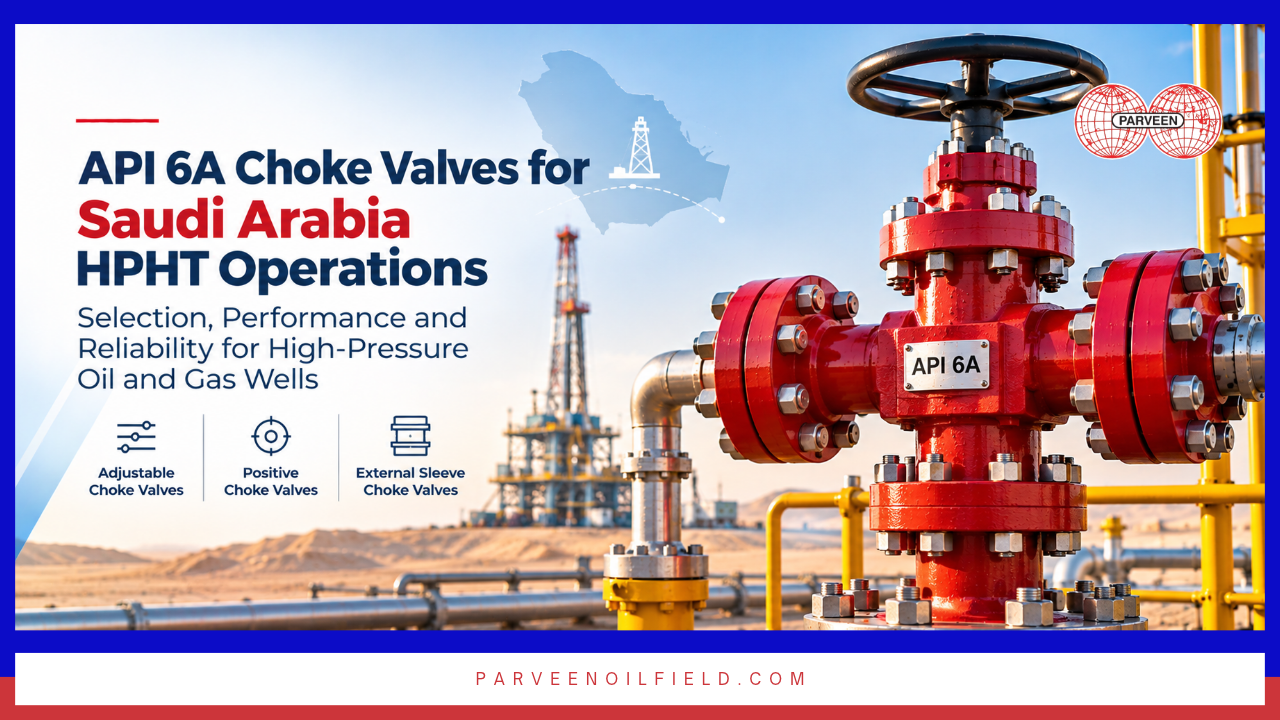
API 6A Choke Valves for Saudi Arabia HPHT Operations

Saudi Arabia’s expanding gas programme and its network of high-pressure oil wells demand choke valves that perform reliably under extreme pressure conditions and abrasive flow. This guide covers API 6A choke valve types and selection criteria for KSA applications.
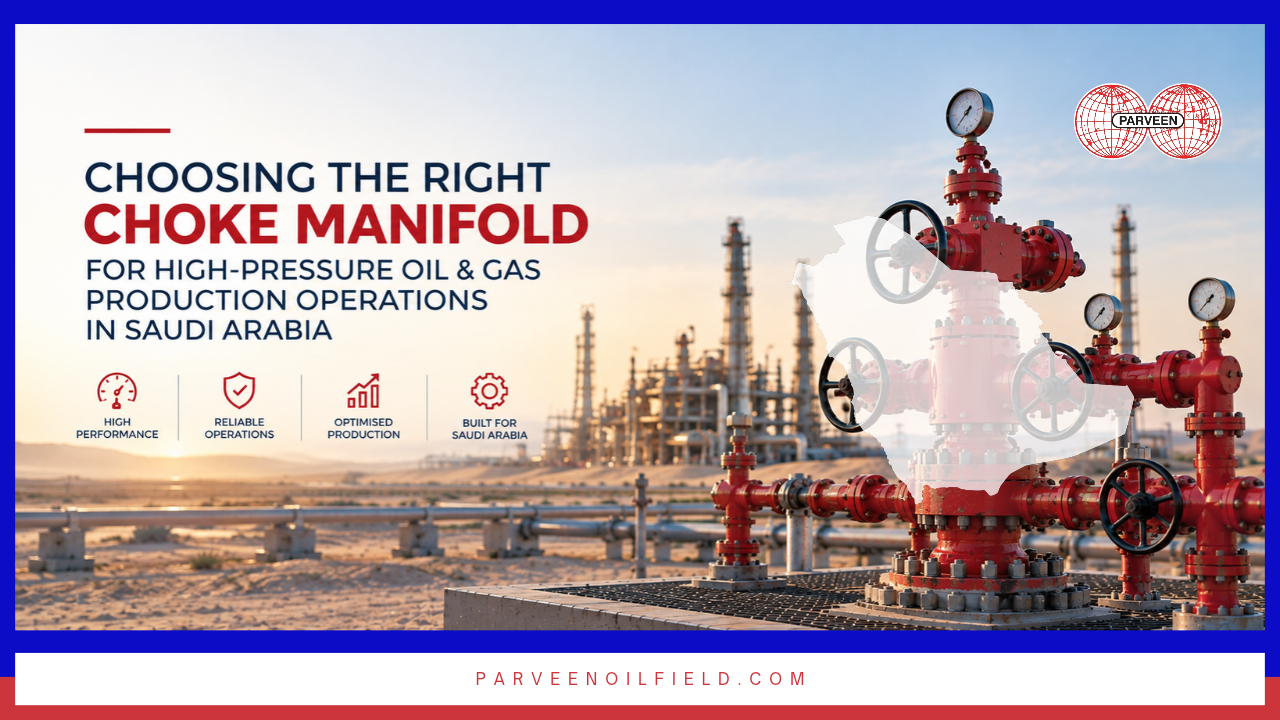
A production-focused buyer's guide to choke manifold selection for Saudi Arabia's high-pressure upstream environments — covering adjustable vs positive choke configuration, erosion-resistant trim, NACE sour service specification, automated vs manual actuation, and flow management for high-output carbonate wells. From Parveen Industries.

Choosing the Right Choke Manifold for High-Pressure Oil & Gas Production Operations in Saudi Arabia

Saudi Arabia’s producing wells deliver output rates that would be exceptional anywhere else in the world. Managing that output — controlling pressure drawdown, preventing coning, optimising gas-oil ratio, and protecting downstream processing — is the production choke manifold’s job. Choosing the right configuration, trim material, and actuation method for Saudi Arabia’s high-pressure carbonate producers is the subject of this guide.

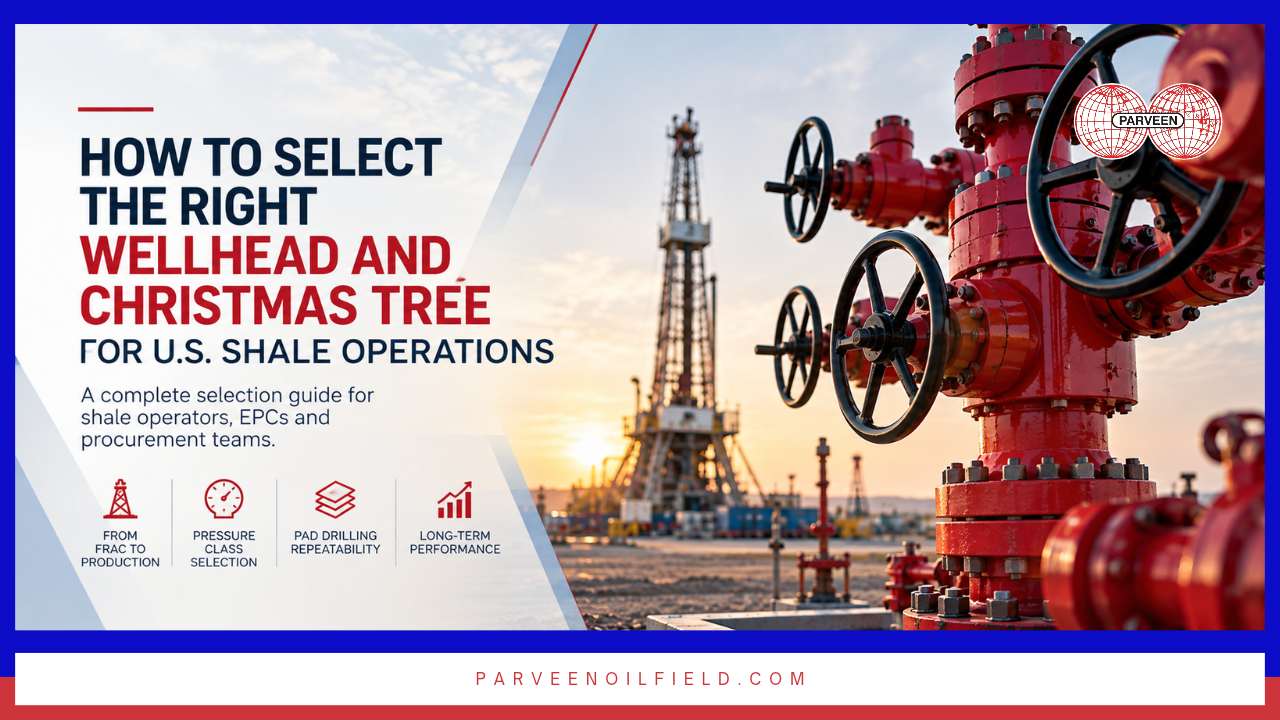
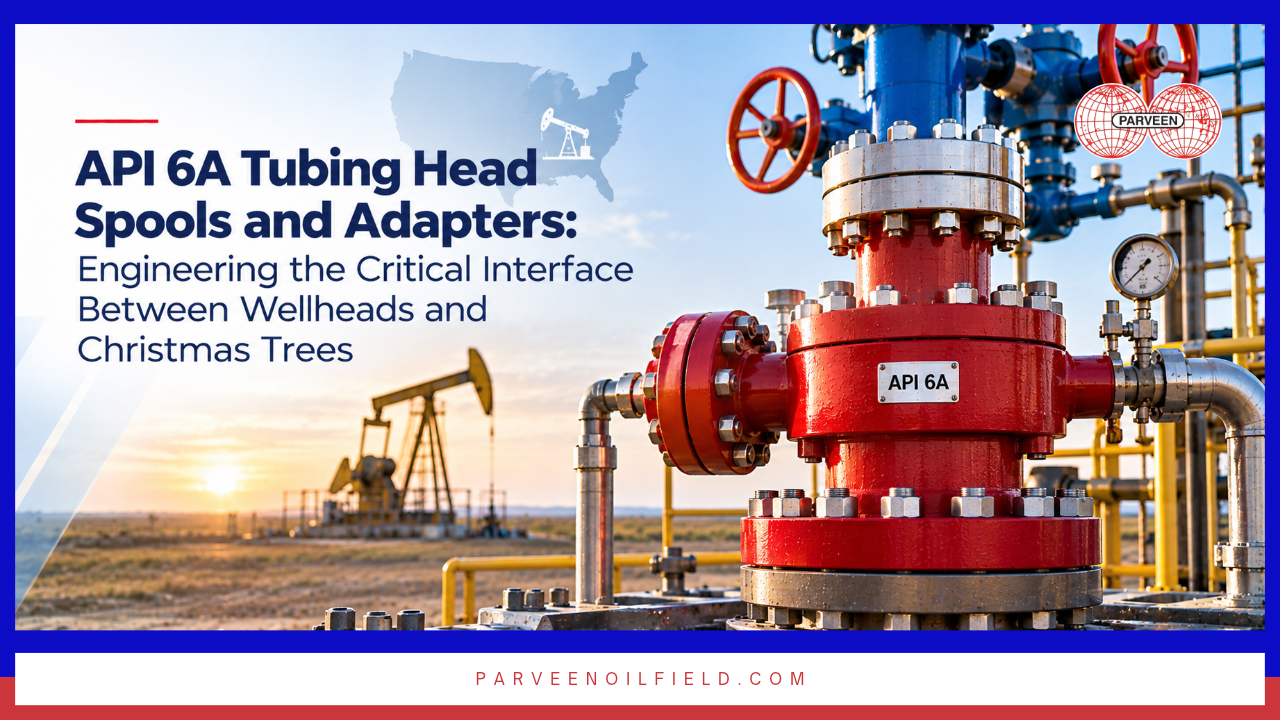
In U.S. shale, the wellhead and Christmas tree must serve two distinctly different operational phases: high-intensity hydraulic fracturing at up to 15,000 PSI, and 20+ years of production management. Getting the frac tree to production tree transition right — and the underlying wellhead configured correctly for both — is one of the most consequential technical decisions in a shale completion program.

How to Select the Right Wellhead and Christmas Tree for U.S. Shale Operations

In U.S. shale, the wellhead and Christmas tree must serve two distinctly different operational phases: high-intensity hydraulic fracturing at up to 15,000 PSI, and 20+ years of production management. Getting the frac tree to production tree transition right — and the underlying wellhead configured correctly for both — is one of the most consequential technical decisions in a shale completion program.

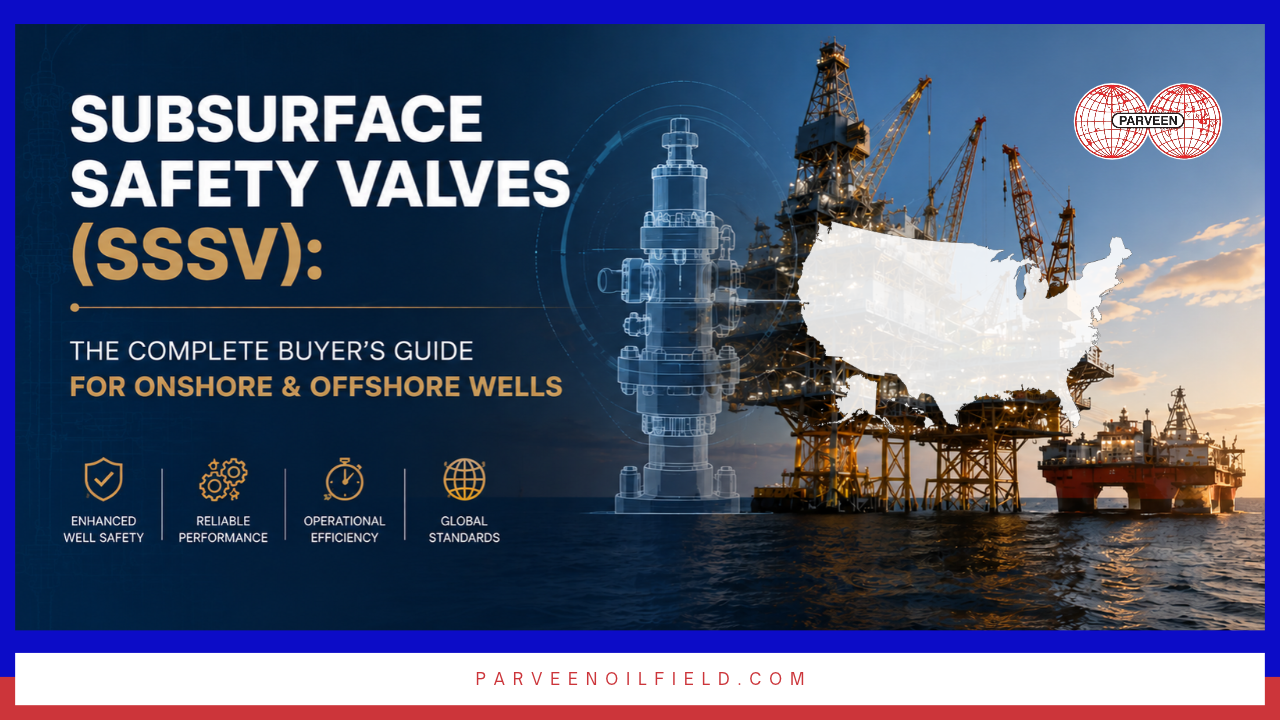
Everything U.S. operators, EPCs, and service companies need to know before purchasing a subsurface safety valve — TRSV vs WRSV, API 14A 13th Edition requirements, setting depth, seal compound selection, and supplier qualification. From Parveen Industries, API-compliant SSSV manufacturer.

Surface Controlled Subsurface Safety Valves (SSSV): The Complete Buyer’s Guide for Onshore & Offshore Wells

The subsurface safety valve is the last line of defence between a well control event and an uncontrolled blowout. Getting the specification wrong — wrong type, wrong seal compound, wrong setting depth — doesn’t cause an inspection failure. It causes a safety failure, often years after installation and without warning. This guide tells U.S. buyers exactly what to evaluate before purchasing an SSSV.

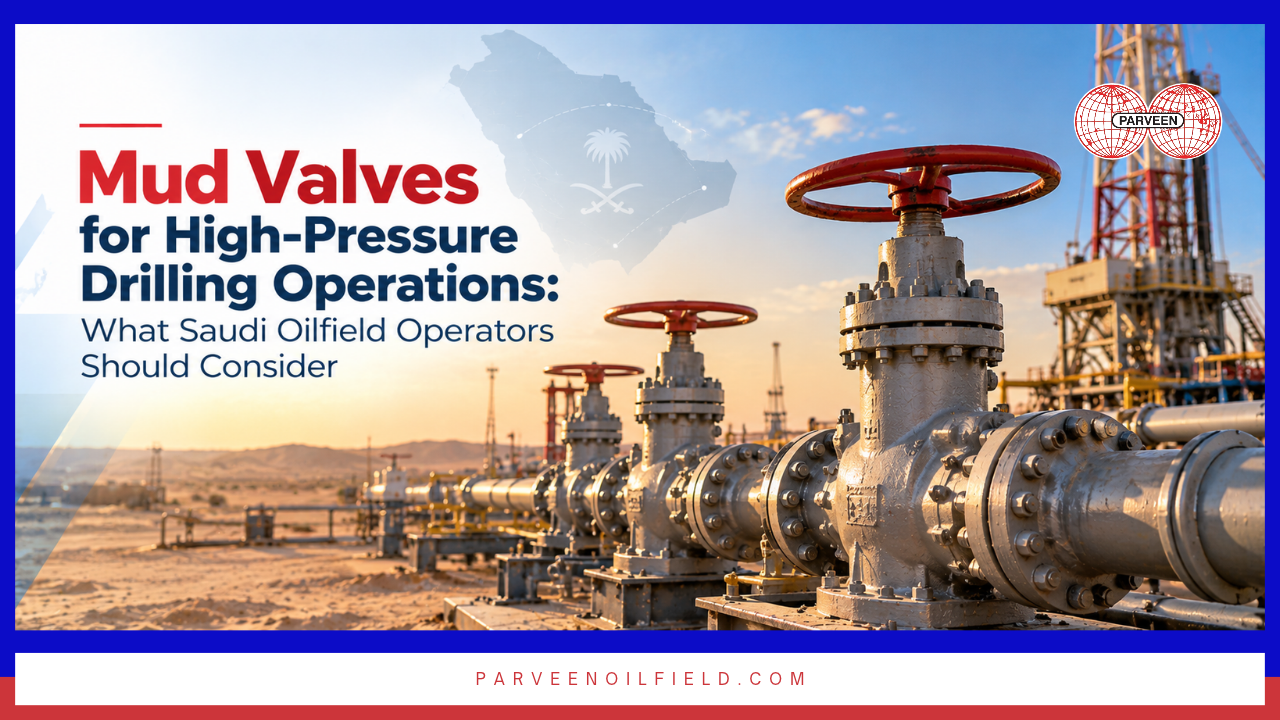
Engineering Reliability for Large-Scale Oilfield Infrastructure: From Wellhead to Production Control

Saudi Arabia’s oilfield infrastructure operates at a scale and standard that no other nation can match. From the Ghawar super-giant to the newly onstreamed Marjan and Berri increments, sustaining reliable production from wells delivering millions of barrels per day requires integrated API-compliant equipment that has been engineered — not merely tested — for long-term pressure containment and operational continuity.

Optimizing Asset Lifecycle in U.S. Shale Operations Through High-Performance Surface & Completion Equipment

In U.S. shale, the acquisition cost of oilfield equipment represents just 25–40% of its true lifetime cost. The remainder is maintenance, intervention, and production loss from equipment that wasn’t specified for the full operational life of the well. Parveen Industries engineers wellheads, choke systems, SSSVs, and completion tools designed to minimize that hidden cost across the complete asset lifecycle.